▶
Educational games
Custom games that teach concepts, reinforce curriculum or develop skills through purposeful interaction and practice.
Explore game development →


Csharks designs custom education gamification solutions that turn lessons, assessments and skills practice into purposeful challenges, decisions and measurable progress.
Built for schools, universities, EdTech companies, training providers and skill-development organisations.

Gamification in education applies purposeful game design to a learning experience. Learners complete missions, make decisions, receive feedback and see their progress instead of only reading or watching.
The goal is not entertainment alone. It is to encourage participation, practice, persistence and knowledge application around defined learning outcomes.
Traditional lessons can explain a concept. An interactive experience gives learners a reason to apply it, test a decision and learn from the result.
Place content inside a clear goal, scenario or challenge that gives the learner a reason to participate.
Ask learners to solve a problem, choose an action or apply knowledge instead of simply recalling information.
Explain what worked, what did not and why, while the decision is still fresh.
Use retry, progressive difficulty and visible milestones to support confidence and mastery.
Track attempts, choices and topic-level performance so educators can identify where support is needed.
Csharks can develop a complete learning product or add purposeful interactive components to an existing course, platform or curriculum.
Custom games that teach concepts, reinforce curriculum or develop skills through purposeful interaction and practice.
Explore game development →Web and mobile apps with missions, progress systems, feedback, assessments and learner analytics.
Explore gamification apps →Decision-led experiences that let learners explore consequences, correct mistakes and apply knowledge in context.
Discuss a scenario →Engaging evaluations with instant explanation, adaptive difficulty and clearer performance insight.
Plan an assessment →Progress, challenges, rewards and learner journeys designed to complement an existing LMS or digital platform.
Explore an integration →Immersive applications for subjects and skills that benefit from visualisation, exploration or realistic practice.
Explore immersive learning →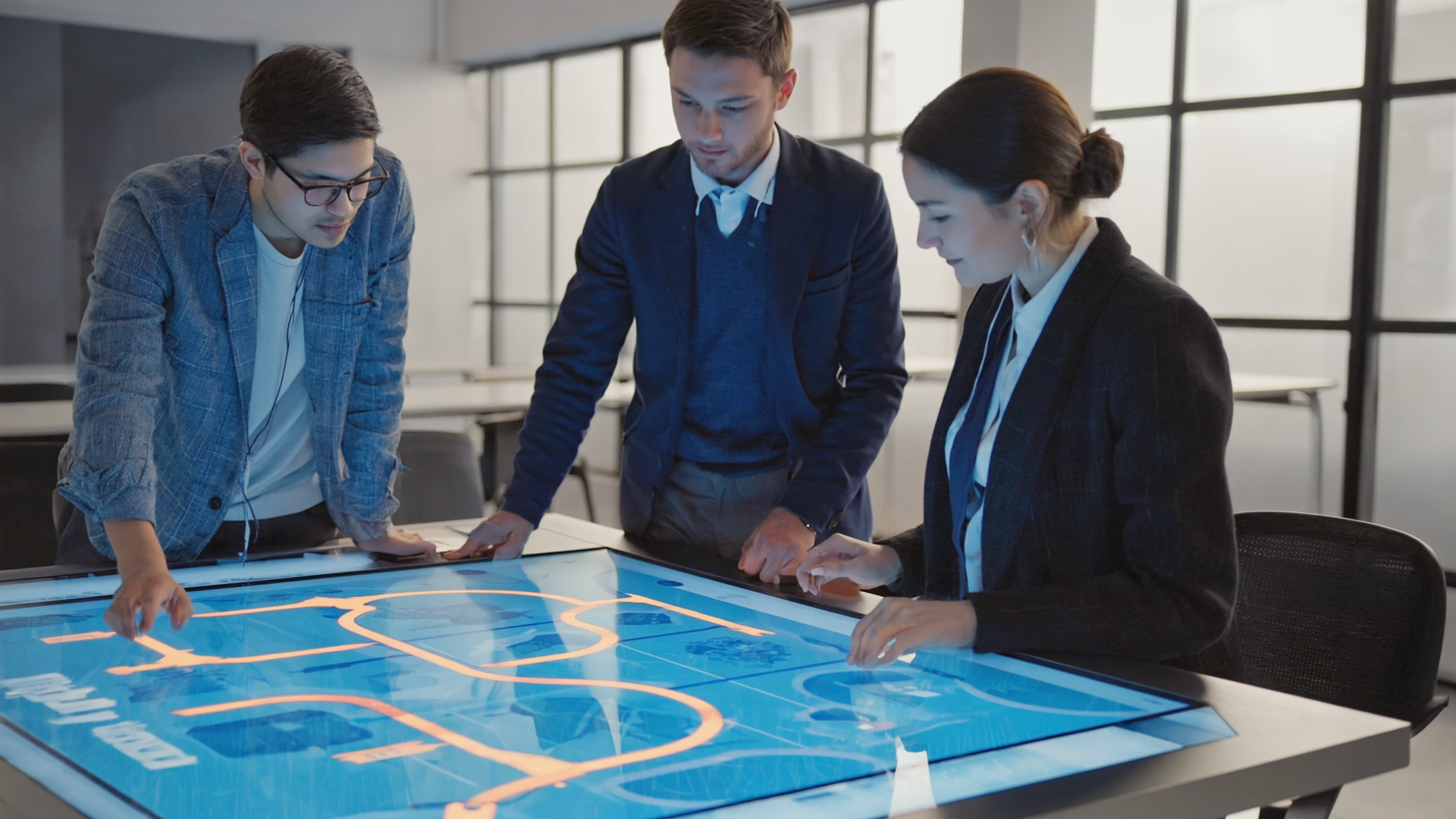
Realistic scenarios connect knowledge to context. Learners can choose a response, see the consequence, understand the reasoning and retry safely. Their decisions also reveal where concepts are misunderstood.
The mechanics, language, complexity and platform are chosen around the learners, subject and environment.
Reinforce lessons, encourage practice and support active participation across subjects.
Use simulations, orientation journeys, assessments and skill-development experiences.
Develop a new gamified solution or add interactive capabilities to an existing platform.
Turn practice, revision and assessment into visible, motivating learning journeys.
Use realistic challenges to develop vocational and professional competencies.
Convert existing educational material into games, quizzes, simulations and interactive apps.
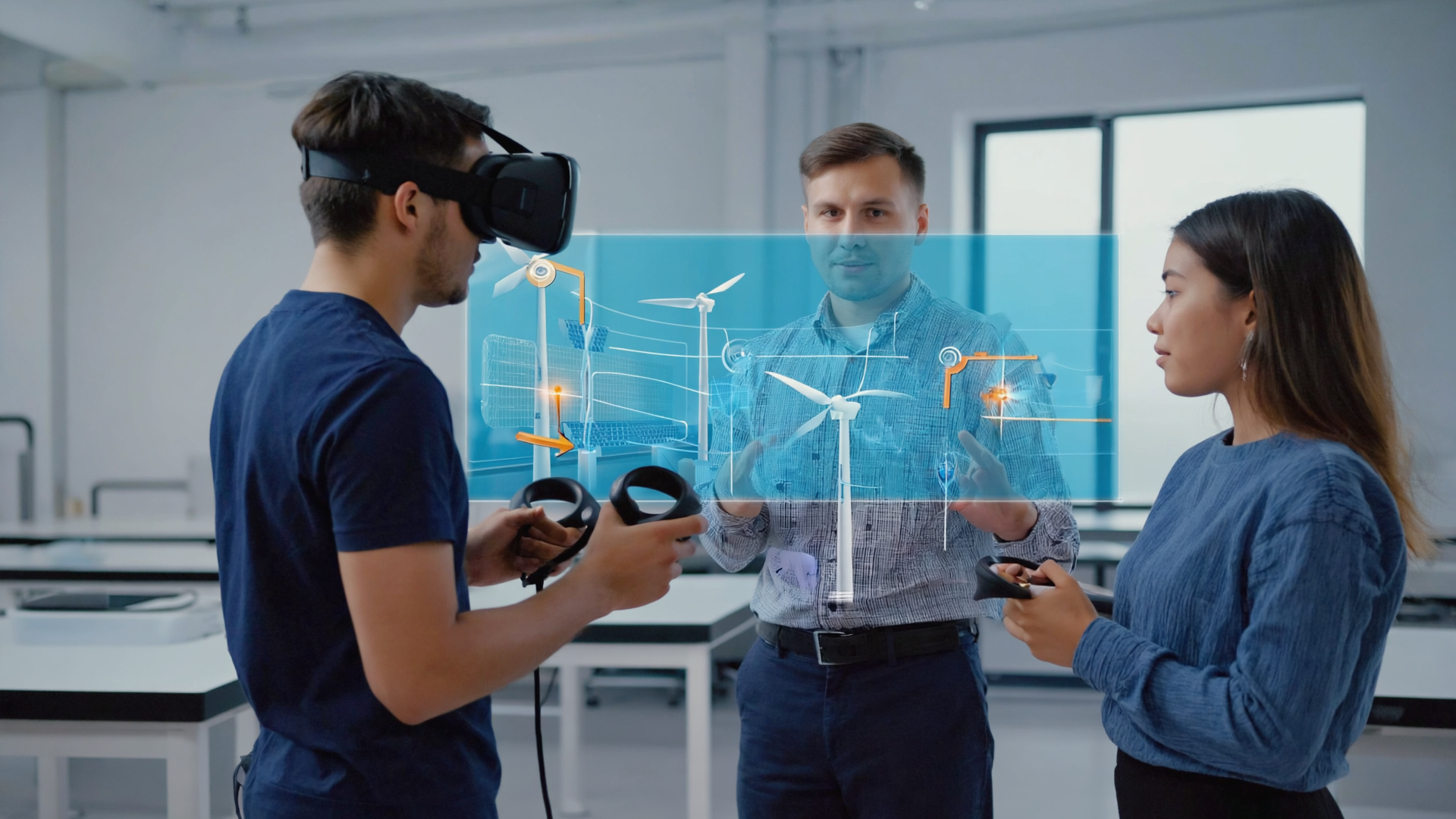
AR and VR can help learners visualise environments, processes and concepts that are difficult, expensive or impossible to reproduce in a conventional lesson. We recommend immersive technology only when it serves the learning outcome.
Success criteria should be defined before development. The experience can capture the actions and performance signals that matter to educators and programme owners.
A practical process keeps pedagogy, game design, content and technology aligned from the beginning.
Understand learners, curriculum, context, platform and desired outcomes.
Shape the journey, mechanics, measurement plan, scope and technical direction.
Validate the interaction, content flow and visual direction before full development.
Develop the application and test usability, performance and the learner experience.
Deploy, review agreed data and feedback, then plan evidence-led enhancements.
Mechanics are selected around the learner and outcome.
Built around your content, brand, audience and systems.
Web, mobile, desktop, AR and VR when appropriate.
Work directly with educators, SMEs and stakeholders.
Capture actions and performance relevant to the objective.
Common questions about custom gamification, learning games and interactive education applications.
Share your audience, learning objective and current content. Csharks can help identify a practical starting point for a custom gamified learning experience.


